

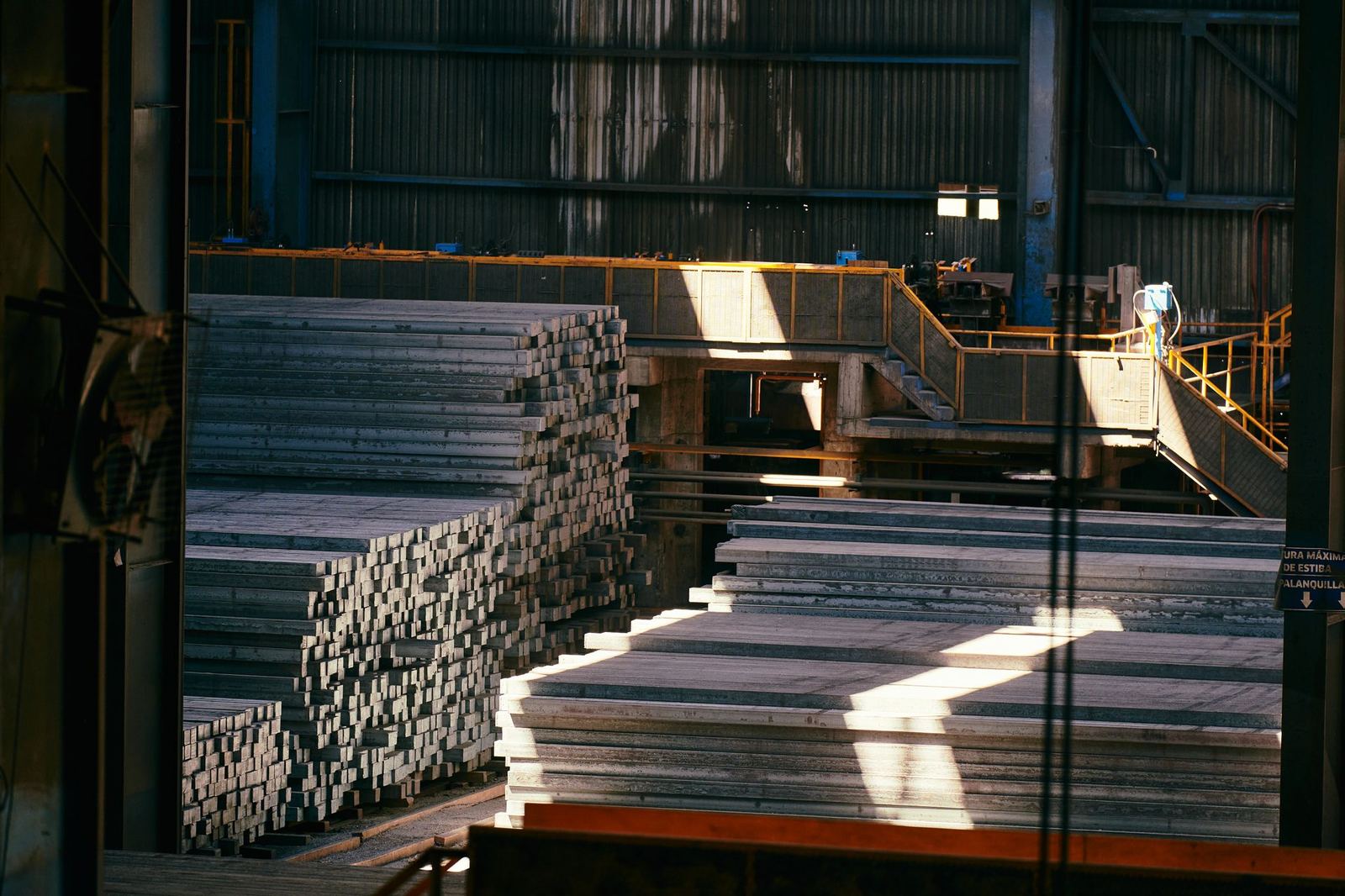
In a factory using 1,800 boards a month, lower waste saves about 680,000 TRY a year.
In panel furniture production, the largest hidden cost is offcuts. Reducing panel waste from 12% to 5% in a factory means savings of roughly 8% of annual board consumption. So how is it achieved?
What is nesting?
Nesting is the automatic placement of parts on the board so as to leave minimum gaps. A good algorithm maximizes usable area by rotating parts, combining orders of the same material and putting remnants into stock.
Five practices that reduce waste
- Combine orders: Group orders of the same material and thickness in a single nesting job. Layout efficiency rises as part variety grows.
- Set rotation correctly for grained material: On boards with decorative patterns, part rotation is limited, which increases waste. Forbid rotation only for the parts that require it.
- Enter kerf and edge margin with real values: A wrong 1 mm causes serious deviation in large batches.
- Stock remnants: The software labels remnants and uses them first in later jobs.
- Keep the part library tidy: Standard module sizes make it easier for similar parts to share a board.
Labels and flow
Nesting affects not only waste but also later processes. Marking each part with a label containing order, product and assembly information removes confusion at drilling and edge-banding stations. Automatic program selection by barcode scan raises line efficiency by 20%.
Common problems in practice
If waste is higher than expected, it is usually one of three causes: wrong dimensions in the part library, board size and edge margin not matching reality, or too few parts combined in the same job. Pulling a weekly waste report in the first month and checking these three points is usually enough.
A worked example
For a factory consuming 1,800 boards a month (about 450 TRY each) with 12% waste, the annual loss is 1,800 × 12 × 450 × 0.12 = 1,166,400 TRY. When waste drops to 5%, the loss falls to 486,000 TRY, saving roughly 680,000 TRY a year.
Kerfa Nest places parts automatically from DXF and furniture design program data, tracks remnants as stock and prints labels. You can request a free waste analysis with your own order data.