

Current, speed, torch height, gas and consumables: settings that prevent dross and taper.
In plasma cutting, a good edge determines the time spent on later grinding and welding. Cut quality depends not only on the machine but also on the settings. Here are the five key factors affecting edge quality.
1. Current (amperage) selection
There is an optimum current for every plate thickness. At too low a current the cut is not completed and dross remains; at too high a current the edge rounds and the kerf widens. Use the manufacturer's cut chart as a starting point and fine-tune with samples.
2. Cutting speed
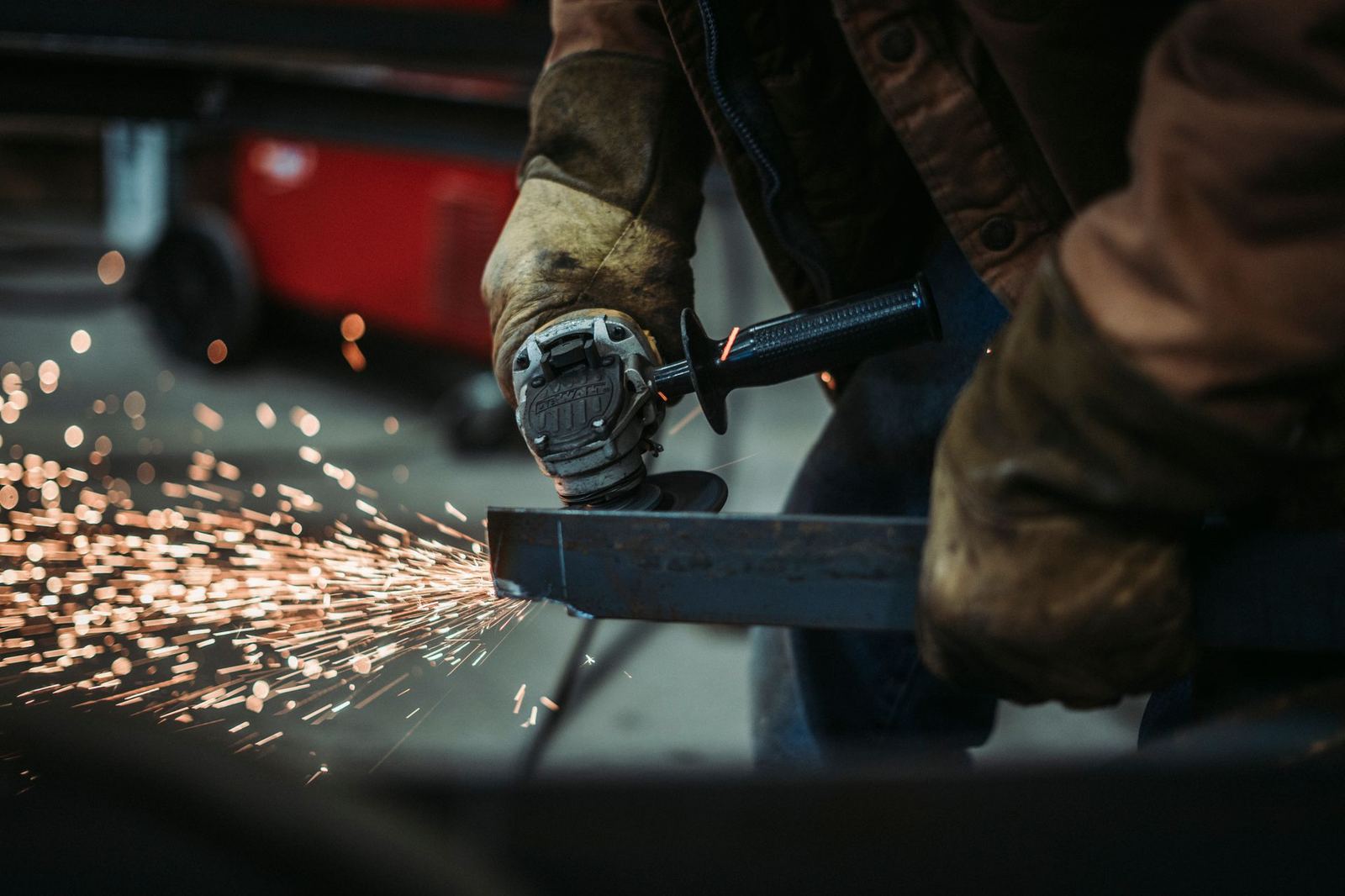
If speed is high, the edge is slanted and dross-covered; if speed is low, the edge is rough and oily. At the right speed the sparks leave the underside of the plate with a slight backward lean. This is a hint that lets the operator interpret speed from sound and sparks.
3. Torch height
Torch height control (THC) reads arc voltage in the background to hold distance constant. If the torch is too high, edge squareness suffers; if too low, consumables burn out quickly. Keeping arc voltage stable in the 125-145 V range is a general rule.
4. Gas type and pressure
Oxygen plasma or air plasma is used for carbon steel and nitrogen or an argon-hydrogen mix for stainless and aluminum. Moist air harms consumables and cut quality; a compressor line with a dryer is essential.
5. Condition of consumables
As the electrode and nozzle wear, the arc scatters and edge angle grows. Replacing the electrode when the pit exceeds 1.5 mm is the most economical approach for both quality and nozzle life. Use the set recommended by the manufacturer.
Quick diagnosis for dross formation
- Fine dross on the underside: Speed may be too low
- Dense, hard dross: Speed too high or current low
- V shape on the cut edge: Torch height or consumable problem
Bevel cutting and weld preparation
For parts needing weld preparation, a ±45° bevel cutting head reduces the need for machining or grinding. As torch tilt increases in bevel cutting, the effective thickness also rises, so cutting parameters must be readjusted for the angle.
The cut charts of Kerfa Plasma machines include recommended speed, arc voltage and pierce delay by thickness and current, and come predefined in the control software.